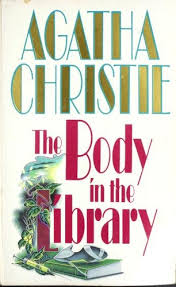
The Body in the Library
👤| Published | February 1942 |
| Genre | Classic Whodunnit |
| Publisher | Collins Crime Club |
| Language | English |
| Series | Miss Marple #2 |
📝My Honest Review: The Body in the Library
This book starts with the most famous cliché in mystery history: a dead body is found in a library where it definitely doesn't belong. The Bantry family wakes up to find a platinum-blonde girl in an evening dress strangled on their rug. It’s a great hook, and as the local Chief Constable observes:
"Human nature is much the same in a village as anywhere else, only you have more time to observe it."
Now, for the "bad" news. This is a very old-fashioned book. The characters are basically cardboard cutouts of 1940s stereotypes. You have the "poor little dancer," the "grumpy invalid billionaire," and the "disappointed family members." If you're looking for deep, complex characters, you're in the wrong place. The investigation also relies on a lot of "coincidences" that feel a bit too convenient even for Christie.
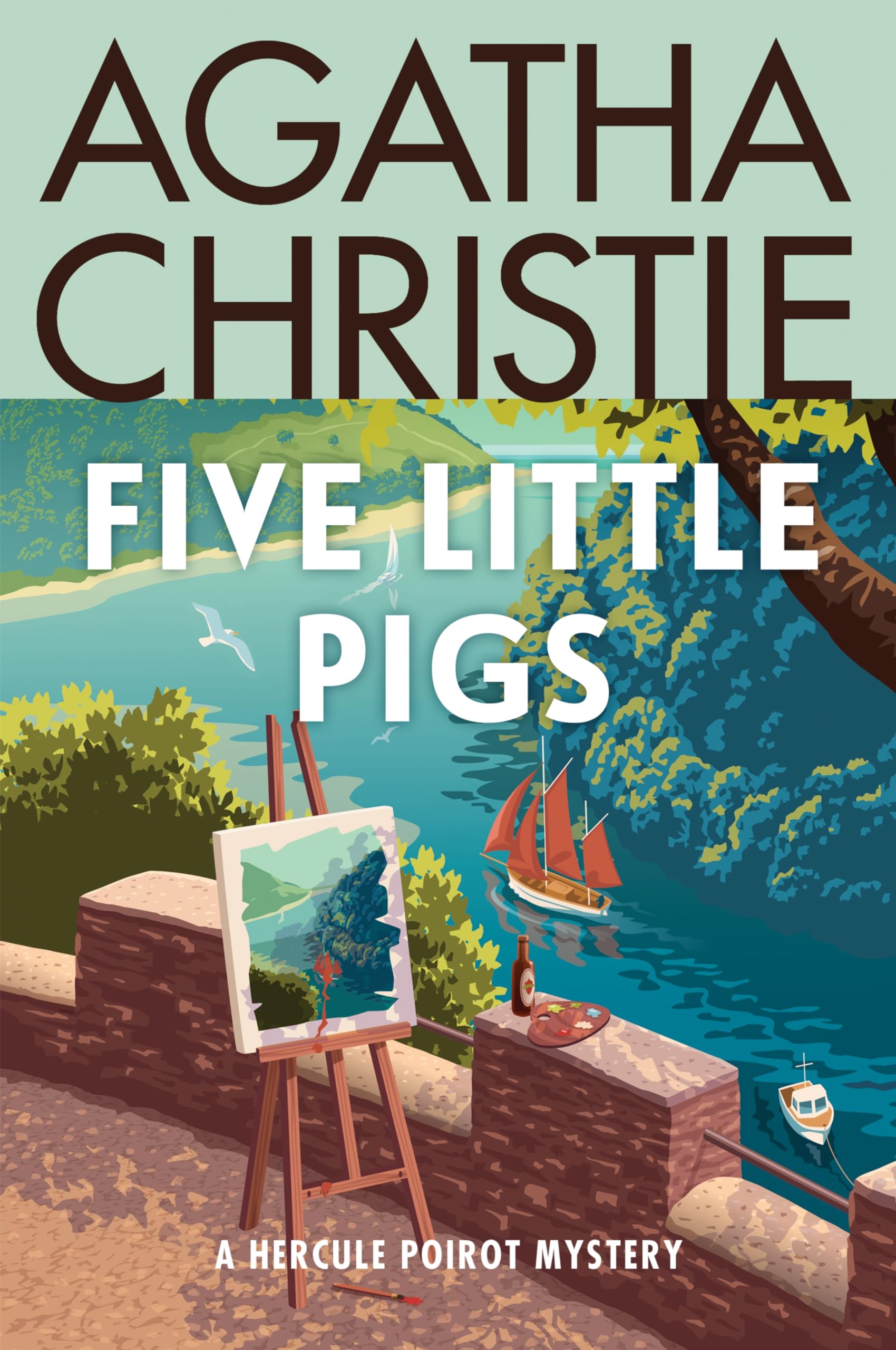
However, Miss Marple is at her gossipy best here. She doesn't solve the crime with a magnifying glass; she solves it because the situation reminds her of a local girl who once worked at the village shop. It’s that "small town wisdom" that makes her so unique. It’s a light, easy read, but it doesn't have the heavy emotional impact of Five Little Pigs or the shock of The Murder of Roger Ackroyd.
⏱️ 1-Minute Summary (for busy readers)
A young blonde girl, Ruby Keene, is found dead in Colonel Bantry's library. She was a dancer at a nearby hotel where a wealthy, disabled old man, Conway Jefferson, had decided to adopt her and leave her his fortune. This obviously made his existing family—who were waiting for their inheritance—very angry. Miss Marple is called in by her friend Mrs. Bantry to clear the Colonel's name.
The twist involves a double identity trick. Ruby wasn't the only girl murdered; another girl, Pamela Reeves, was killed and burnt in a car to create confusion about the time of death and identity. The killers are Mark Gaskell and Adelaide Jefferson (Conway's daughter-in-law). They were secretly married and killed Ruby to ensure they wouldn't lose the millions Conway was planning to give her. They used the two bodies to create a perfect alibi that Miss Marple eventually tears apart.
🔹 The Critic's Report Card
| ⭐ Rating | 3.5 / 5 A solid, traditional mystery that plays it a bit too safe. |
|---|---|
| 👍 What I Loved | The Village Vibes. Christie captures the "polite" cruelty of an English village perfectly. |
| 👎 What I Didn’t Like | The repetitive tropes. By the time you get to the halfway mark, you've seen every character a hundred times before in other books. |
| 😐 Overrated or Underrated? | Overrated. It’s famous because of the title, but the plot is actually quite standard for the era. |
👤 Human Take: The "Disposable" Girl
The saddest "human" part of this book is how Ruby Keene is treated. To the rich family, she wasn't a person; she was an "obstacle" to their money. To the billionaire, she was a "replacement" for his dead daughter. Nobody actually cared about Ruby herself. It’s a chilling reminder of how money can make people see others as objects rather than human beings.
The Final Word: It’s the ultimate "comfort food" mystery. It won't blow your mind, but it’s a great way to spend a rainy Sunday with a cup of tea.
Discover Your Next Great Read
Handpicked recommendations from our collection of literary treasures




💬Discussions