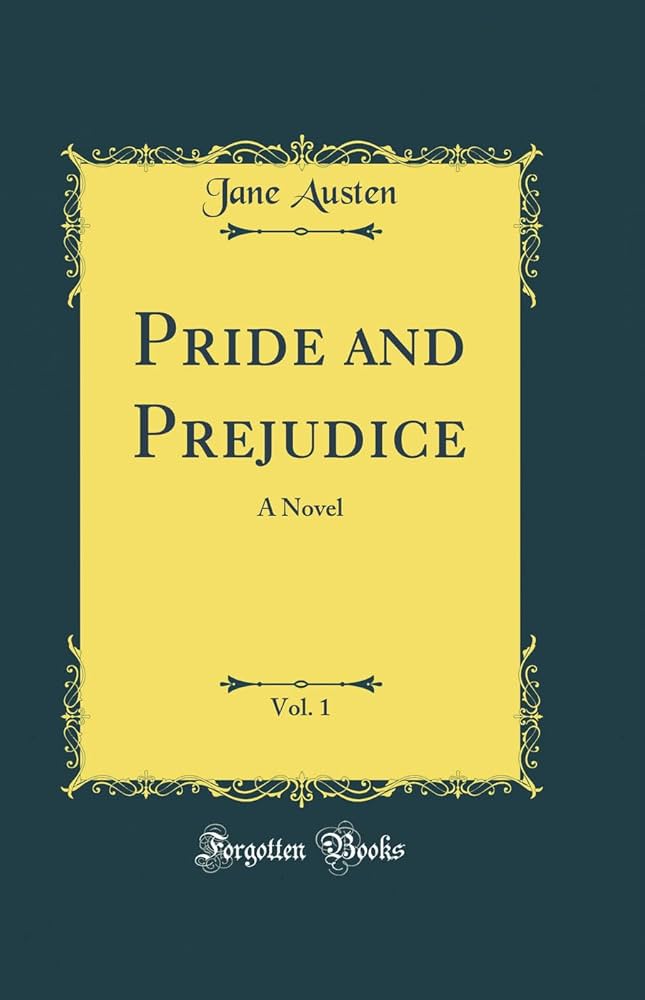
Pride and Prejudice
👤| Published | 1813-01-28 |
| Series | Standalone |
| Genre | Classic, Romance,Literary, Fiction |
| Language | English |
| Publisher | T. Egerton, Whitehall |
| ISBN-13 | 978-0141439518 |
📝Honest Review
Jane Austen doesn't write love stories the way we think of them. There's no grand gesture in the rain, no dramatic confession. Instead she gives you two people with sharp minds and bruised egos, spending most of the book being wrong about each other. And somehow that's more compelling than anything.
Elizabeth Bennet is the reason this book works. She's witty, stubborn, a little too confident in her own judgment — and completely human because of it. Darcy, on the other hand, starts as exactly the kind of person you'd hate at a party. He improves. Slowly. That slow improvement is the whole point.
Austen also quietly tears apart the world her characters live in. Every ball, every polite conversation, every "he has ten thousand a year" is her showing you how little control women had over their own lives. Elizabeth's defiance isn't just romantic — it's practically radical for the time.
Is the pacing slow? Yes, in places. The middle section drags a little. Some characters — I'm looking at Mr. Collins — feel like caricatures. But the dialogue is sharp enough that none of it really kills the momentum.
By the end, I had opinions about fictional characters I'd met two days ago. That's usually a good sign.
✅ What I Liked
The dialogue is genuinely funny. Elizabeth and Darcy's arguments feel real, not theatrical. Austen never tells you how to feel — she just shows you the scene and lets you figure it out.
❌ What Could Be Better
The middle portion loses some energy. A few subplots — particularly Lydia's storyline — feel rushed compared to how carefully everything else is built up.
Summary:
Elizabeth Bennet is the second of five daughters in a middle-class English family. Her mother's one goal in life is to get all five girls married off — preferably to rich men. Then Mr. Darcy shows up. He's wealthy, well-mannered, and absolutely insufferable. Elizabeth can't stand him. He barely notices her. Except he does. A lot. What follows is two people slowly realizing they were wrong about each other — and about themselves.
Discover Your Next Great Read
Handpicked recommendations from our collection of literary treasures
💬Discussions